3dpets

Interview with Alexander Tholl: CEO, 3DPets

blank

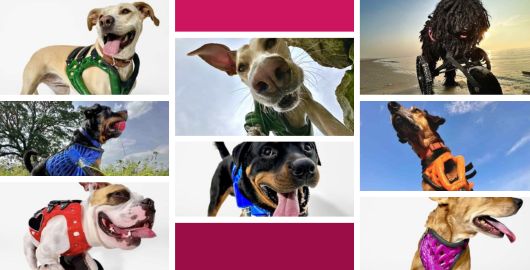
Alexander Tholl is the co-founder and CEO of 3DPets based out of Bloomingdale NJ. He graduated from Thomas Jefferson University with a degree in Industrial Design, a concentration in medical design, and a minor in business. He and his partner, Adam Hecht, developed a repeatable solution for designing and building full-limb replacement prostheses for canines that utilize 3D scanning, 3D printing, and custom software. Theses combined technologies have allowed them to expand into wheelchairs, bracing, and even develop devices for birds all the way to elephants. Alex will be speaking at our upcoming veterinary medicine-focused event.

blank
Copyright: 3DPets

When was the first encounter you had with 3D printing? What was that experience like? What were you thinking at that moment?

Alexander: College was the first time I was actually introduced and taught about 3DPrinting, this was 2015 on an SLS machine. It was cool to see and understand but I don’t think we really understood the potential at that time. We only used it for prototyping which almost everyone did. About a year later, I was introduced to more conventional FDM and SLA machines and started getting hands-on experience. Again, I was still learning its true potential and how it could be used for the end production of parts.

blank
Copyright: 3DPets

What inspired you to start your journey?

Alexander: Our company started with a traditional design utilizing 3D printing for prototyping and low-vol production. It wasn’t until late 2020 that we switched our business model to be 3D printing consultants, as manufacturing overseas had really ground to a halt. During this period, we designed and built our first printed prostheses for a canine.

blank
Copyright: 3DPets

Who inspired you the most along this journey in 3D printing?

Alexander: My partner and I had been introduced to some very successful individuals not in the printing world but their experience and motivational words are what pushed us to become more niche and have set goals.

blank
Copyright: 3DPets

What motivates you the most for your work?

Alexander: It’s hard not to be motivated when pets are your clients, frankly. Getting to see these pets move again and have the mobility they once did is incredibly inspiring and motivating.

blank
Copyright: 3DPets

What is/are the biggest obstacle(s) in your line of work? If you have conquered them, what were
your solutions?

Alexander: Many of the established 3D printing companies told us that we wouldn’t be able to print large parts using TPU. We had been very discouraged, but being naive and young, we decided to prove them wrong, and we are so glad we did. It came down to combining the suitable materials and machines, it was not rocket science.

blank
Copyright: 3DPets

What do you think is (are) the most significant challenge(s) in 3D Printing/bioprinting? What do you think the potential solution(s) is (are)?

Alexander: The biggest challenge is consistency in a lot of ways. Since every device we design and build is custom, we have to change print settings to accommodate the custom harnesses, feet, wheels, etc.

blank
Copyright: 3DPets

If you were granted three wishes by a higher being, what would they be?

Alexander:

  • Health for myself, friends, and family.
  • Business prosperity
  • Early retirement

blank
Copyright: 3DPets

What advice would you give to a bright, driven college student in the “real world”? What bad advice have you heard that they should ignore?

Alexander: Network network network! It was the absolute best thing we ever did and the action that got us the furthest when it came to business and working with the right people. Don’t let someone tell you that you can’t do something unless you have actually tried it yourself; there are lots of doubters in this world. Prove them wrong.

blank
Copyright: 3DPets

What’s your favorite book you read this year and why? Alternatively, what’s your favorite book of all time you read and why?

Alexander: The Subtle Art of Not Giving a F*ck: A Counterintuitive Approach to Living a Good Life is this year’s favorite. My favorite book of all time is Fast n’ Loud by Richard Rawlings. It’s an amazing book about overcoming doubt, and hardship, and how life changes always.

blank
Copyright: 3DPets

Related Links:

Interview with Dr. Yu-Hui Huang: NextGen Medical 3D Printing

Interview with Dr. Johnny Uday: 3D Printing for Animals
Guide on 3D Printing for Veterinarian Care.

3D Printing for Veterinary Medicine (On Demand, 2022)

3D Printing in Veterinary Practice (On Demand, 2021)

blank

Interview with Dr. Johnny Uday: 3D Printing for Animals

blank

“I am a Veterinarian with a passion for medical 3D printing in the human and animal field. With expertise in the use of 3D software like Blender, Meshmixer, 3D slicer, Mimics Innovation Suite, for image processing, design, and manufacture of personalized implants, prosthesis, surgical guides.” Owner of AXIS 3D MEDICAL PRINTING. With a special interest in providing affordable personalized solutions for people/animals in developing countries. First Place in the “International Congress of Maxillofacial Surgery and Oral Rehabilitation Ecuador 2019”. With the conference “Use of 3D Open Source Software in Maxillofacial Surgery and Reconstruction”. First place in the “Inter Hospital Case Report Contest Ecuador 2021”. With the case “. Personalized Total Joint Replacement for a teenager with Ameloblastoma of the Jaw”. Speaker in several National and International Congresses.

Patents:

3D printed device for Atlanto Axial subluxation

3D printed device for transdermal weight-bearing prosthesis

Optimized temporomandibular joint interface with 3D printing and CNC machining

Johnny will be speaking at our upcoming event focusing on animals for 3D printing.

Jenny: When was the first encounter you had with 3D printing?

Johnny: It was around 6 years ago. I was completely in awe and couldn’t believe what this technology was capable of.

Jenny: What inspired you to start your journey in 3D printing?

Johnny: I always loved technology, art, medicine, being creative, and the world of 3D printing was offering me all of that, plus an overwhelming feeling of altruism when I feel I can help other people/animals doing something that I’m passionate about.

blank

Jenny: Who inspired you the most along this journey in 3D printing?

Johnny: There is a famous Brazilian 3D designer called Cicero Moraes. Once I saw his work on Youtube and I was completely hooked. Also, an amazing maxillofacial surgeon Dr. Laurent Ganry giving a tutorial for the 3D design of surgical guides on Youtube as well. Later on, they both congratulated me for my achievements, and when people who inspired you praise your work, that is the biggest compliment and inspiration to keep going forward.

blank

Jenny: What motivates you the most for your work? 

Johnny: Most of the time I feel that I can and I am contributing with my work to Science. I love learning and I get to work with amazing professionals in different areas, which makes me feel wiser every day.  Sometimes my ideas do not work, but when they do it makes everything worthwhile. 

Jenny: What is the biggest obstacle in your line of work? If you have conquered them, what were your solutions? 

Johnny: The biggest obstacles are fighting or preventing biofilm formation and making implants more “body friendly” with the immune system, I’m working on some ideas to address these problems, hopefully, one day I can present a solution.

Jenny: What do you think is the biggest challenge in 3D Printing? What do you think the potential solution(s) is (are)?

Johnny: I think the biggest challenge is to print organs that will mimic and replace the body perfectly, bioprinting is definitely the way. 

blank

Jenny: If you are granted three wishes by a higher being, what would they be? 

Johnny: I wish I could get in my brain all the information of a book just by touching it.

I wish I had Hyperthymesia (A condition that makes you remember absolutely everything)

I wish I could eat anything without getting fat

Jenny: What advice would you give to a smart driven college student in the “real world”?

Johnny: Be persevering, use your failures to learn, keep making mistakes, keep learning, always with an open mind, what we take to be true right now can change completely tomorrow. 

Interview with Dr. Yu-Hui Huang: NextGen Medical 3D Printing

Interview with Dr. Johnny Uday: 3D Printing for Animals
Guide on 3D Printing for Veterinarian Care.

3D Printing for Veterinary Medicine (On Demand, 2022)

3D Printing in Veterinary Practice (On Demand, 2021)

Interview w/ Dr. Matteo Zanfabro : 3D Printing for Animals

Interview with Dr. Edyta Bula, 3D Printing for Veterinary Medicine

3D Printed Bronchoscopy Simulator for Medical and Veterinary Training

blank

Interview with Kerim Genc: The Power of Artificial Intelligence and 3D Printing

blank

Kerim Genc serves as a Product Manager for the Simpleware Group at Synopsys, bringing over a decade of expertise to the role. Joining Simpleware in 2011 to oversee regional sales, he seamlessly navigated through progressively influential positions, including global sales and business development, culminating in his current role as a Product Manager. A highly qualified professional, Kerim earned his BS and MS in biomechanics from the University of Calgary and the Pennsylvania State University, respectively. He further solidified his academic credentials with a Ph.D. in Biomedical Engineering from Case Western Reserve University, where he utilized computational methods to investigate innovative countermeasures addressing spaceflight-induced bone loss and fracture risk. Kerim will be speaking and attending our in-person/hybrid event focusing on 3D technologies and orthopedics on Feb 12th, 2024 in San Francisco, California, USA.

When was the first encounter you had with 3D printing?

Kerim: Although I have been working in the 3D image-based modeling space for 15+ years including graduate school, I must admit that my first real connection to the impact of 3D Printing was pretty recent when watching the “Roy’s Story” video from our collaborators at the Advanced Projects Laboratory at Nicklaus Children’s Hospital.  I was presenting the work at a seminar, and I found myself getting choked up talking about the case and needing to pause my talk. It was only for a brief moment, and I don’t think anyone really noticed, but I was surprised that it hit me the way it did. I think it is because I have children now and just putting myself in the place of these parents that trust the doctors with their kids’ lives put a whole new perspective on the importance of this work.

blank

What inspired you to start your journey?

Kerim: My Ph.D. supervisor Dr. Peter Cavanagh was the main inspiration that sent me on my journey down the road of 3D image-based modeling. I remember him telling me that a Ph.D. is a chance to fill your toolbox with as many tools as possible, and if you do it with intention, you can confidently head in any direction.  

blank

Who inspired you the most along this journey in 3D printing?

Kerim: Dr. Johann Henckel at the Royal National Orthopaedics Hospital in London has been inspiring me to continue along this path.  He is a collaborator, colleague, and friend whom I admire and respect. His consistent drive to push and pull research and industry toward a singular goal of improved clinical outcomes is inspiring.

blank

What motivates you the most for your work? 

Kerim: Working with a great team and driving an impactful product forward.

What is/are the biggest obstacle(s) in your line of work? If you have conquered them, what were your solutions? 

As a Product Manager, I have a lot of ideas bouncing around in my head, but it is always a challenge to distill them down to a compelling story that resonates. Whether for an invited talk, internal meeting or blog post, improving your story is a never-ending challenge.

blank

What do you think is (are) the biggest challenge(s) in 3D Printing/bio-printing? What do you think the potential solution(s) is (are)?

Kerim: The biggest challenge I see is getting value from the image-based 3D Printing workflow without being at the point of the scale. We have customers in the Medical Device space that are at scale and use our Machine Learning based AI tools to fully automate their image-based workflow, process up to 100 cases/day and maximize their value. However, 3D Printing at the point of care is still in its infancy and many workflows are not repetitive, so they tend to be more manual, meaning they are more difficult and expensive. As the field matures and different groups find their niche, I think we will see them come to the point where they can leverage Machine Learning based AI techniques to automate and streamline their workflows.

If you are granted three wishes by a higher being, what would they be? 

Kerim: Spending even more time with my family x 3, is never enough.

What advice would you give to a smart driven college student in the “real world”? What bad advice you heard should they ignore? 

Kerim: Take on as much as you can that comes across your path, even if you don’t see an immediate benefit, it will come.  Bad advice is to follow your passion… if you have a passion, don’t turn it into a job.  Instead, find something you like and are really good at, and then put your head down and pursue it with all your energy.

Related Articles:

Artificial Intelligence and 3D Printing (Expert Corner)

Artificial Intelligence in Healthcare 3D Printing (On Demand Video, 2021)

When Artificial Intelligence Meets 3D Printing (Expert Corner)

Streamlining Orthopedic Surgical Planning with AI (Expert Corner)

orthopedics sf

San Francisco: 3D Printing and AI in Orthopedics (In-Person, Hybrid) 🗓

Join us for an exciting in-person event at 555 California Street, San Francisco, CA, USA! Discover the latest advancements in 3D technologies for orthopedics. Learn from industry experts, engage in lively discussions, and network with like-minded professionals. This event is a must-attend for anyone interested in the intersection of 3D printing and orthopedics. Don’t miss out on this opportunity to stay at the forefront of innovation in healthcare. The in-person capacity is only 30 people. Registration closes Feb 9th, 2024 for security reasons!

Agenda:
6-6:30 Networking, Food/drinks will be provided
6:30-7:30 Presentations (See speaker info below)
7:30-8:00 Q&A and Networking

Subscribe to get the latest news.

Disclaimer: virtual attendees may have limited ability to interact with the speakers and live audience.

Speakers:

Craig Rosenblum

blank

Craig Rosenblum is the President of Himed. Over 30 years of operation, Himed has become a global leader in calcium phosphate based biomaterial production and has developed proprietary plasma spray coatings and surface treatments. Craig and his team collaborate directly with dental and medical device manufacturers around the world to provide innovative biomaterial solutions. Craig discovered a unique application for MATRIX MCD® post-processing additively manufactured titanium implantable devices using Himed’s proprietary and biocompatible resorbable blast media. Himed has since formed a strategic partnership with Lithoz, a global market leader in 3D printing, to develop new bioceramic bioinks for medical 3D printing. Craig received his B.S. and M.S. degree in Materials Science & Engineering with a Biomaterials concentration from The Johns Hopkins University (Baltimore, MD). With a focus in biomaterials characterization, his groundbreaking research explored the variations in the microstructure and mechanical properties of dental enamel. These studies were the first to demonstrate the unique heterogeneous nature of enamel. Craig currently serves on The Johns Hopkins University Materials Science & Engineering Advisory Board.

Kerim Genc

blank

Kerim serves as a Product Manager for the Simpleware Group at Synopsys, bringing over a decade of expertise to the role. Joining Simpleware in 2011 to oversee regional sales, he seamlessly navigated through progressively influential positions, including global sales and business development, culminating in his current role as a Product Manager. A highly qualified professional, Kerim earned his BS and MS in biomechanics from the University of Calgary and the Pennsylvania State University, respectively. He further solidified his academic credentials with a Ph.D. in Biomedical Engineering from Case Western Reserve University, where he utilized computational methods to investigate innovative countermeasures addressing spaceflight-induced bone loss and fracture risk.

Alyssa Huffman

blank

Alyssa Huffman is the inventor, founder, and CEO of Allumin8. A company dedicated to bringing research-backed innovation to 3D printed orthopedic and spine hardware in an effort to increase implant survivorship and reduce the likelihood of catastrophic revisions. Allumin8’s implants (including the A8 Integr8 Porous Pedicle Screw System – not cleared for sale in the US) are designed to match the trabecular pattern of bone with the intent to study a variety of biologic therapeutics delivered through or drawn into the hardware. No change in surgical technique. No change in care. No change in pricing. Simply providing options that never before existed in hardware for the betterment of the patient. Licensing opportunities are available by contacting alyssa@allumin8.com.

Dean Hughes

dean hughes

Dean Hughes is the Regional Technical Director at Smith and Nephew Orthopedics. He earned his Bachelor’s and Master’s in Mechanical Engineering from the University of Memphis and an MBA from Christian Brothers University. Dean is a registered professional engineer in the State of Tennessee. Dean has designed, developed, and launched over 50 orthopedic implants and instruments projects with Smith and Nephew over the last 22 years. He also holds 15 US patents and several patents that are pending. Dean resides in Memphis with his wife Linda and enjoys restoring classic cars in his ‘spare’ time.

Organizer:

Dr. Jenny Chen

jenny chen

Dr. Jenny Chen is trained as a neuroradiologist and founder/CEO of 3DHEALS. Her main interests include next-generation education, 3D printing in the healthcare sector, automated biology, and artificial intelligence. She is an angel investor who invests in Pitch3D companies.

Now on Demand:

Thanks to Our Venue Sponsor:

NORTON ROSE FULBRIGHT logo
Yu-Hui

Interview with Dr. Yu-Hui Huang: NextGen Medical 3D Printing

blank

Yu-Hui Huang: Formally trained in Biomedical Visualization and Clinical Anaplastology, I am completing my Radiology residency with the Nuclear Medicine pathway, followed by a Neuroradiology fellowship at the University of Minnesota. I am also an adjunct faculty at the University of Illinois at Chicago Graduate Biomedical Visualization Program, where I teach 3D Printing with Data Segmentation for Medicine and Pathophysiology for Biomedical Visualization. I seek to combine art, medicine, and technology, specifically medical imaging and 3D printing, to improve patient care and outcomes. Dr. Huang will be speaking at our upcoming event, focusing on how to use 3D printing to take care of our pets.

When was the first encounter you had with 3D printing? What was that experience like? What were you thinking at that moment?

Yu-Hui Huang: I was first introduced to 3D printing during my Clinical Anaplastology training in 2012 when I assisted our craniofacial surgeons with virtual surgical planning using patient’s medical imaging data for implant retained prosthetic treatment and 3D printed patient-specific anatomic models and surgical guides.

I saw firsthand how 3D printing improved the patient’s surgical plan, patient education about her condition and treatment options, as well as education for the residents to simulate the operation beforehand and the ability to transfer the surgical plan into the OR with a sterilized guide and anatomic model as intraoperative reference.

What inspired you to start your journey?

Yu-Hui Huang: I fell in love with the value 3D printing technology could offer to improve patient care and outcomes. I then decided to pursue radiology to understand better how medical imaging data can be further optimized for 3D applications, as most current diagnostic imaging protocols are suboptimal.

blank

Who inspired you the most along this journey in 3D printing?

Yu-Hui Huang: My patients, and my mentors in the graduate biomedical visualization program, clinical anaplastology, and craniofacial reconstructive surgery. My collaborators, as well as all those who supported me along the way, including RSNA 3DSIG, my current radiology mentors, colleagues, and students.

What motivates you the most for your work? 

Yu-Hui Huang: Improving patient care and outcome as well as enhancing healthcare and patient/family education.

What is/are the biggest obstacle(s) in your line of work? If you have conquered them, what were your solutions? 

Yu-Hui Huang: Establishing a centralized institutional clinical 3D printing and visualization service with billing and reimbursement of 3D technologies for clinical applications, which I am still actively working on. 

blank

What do you think is (are) the biggest challenge(s) in 3D Printing/bio-printing? What do you think the potential solution(s) is (are)?

Yu-Hui Huang:

  • Scalability and Cost: Scaling up production and reducing costs for 3D printed products, especially in healthcare applications, is a significant challenge. Making these technologies more accessible requires overcoming economic barriers and obtaining for patient outcome data. 
    Potential Solution: Participation in the ACR-RSNA 3D Printing Registry, research into cost-effective materials and printing processes, and advancements in automation and optimization of production workflows can contribute to scalability and cost reduction. Public-private partnerships and strategic investments can also promote progress in this area.
  • Regulatory and Ethical Concerns: The regulatory landscape for 3D printing, particularly in the medical field, is continually evolving. Ensuring the safety and efficacy of 3D-printed products is a complex challenge.
    Potential Solution: Establishing clear regulatory frameworks, ethical guidelines, and standards for 3D printing technologies can help navigate these challenges. Collaboration between regulatory bodies, industry stakeholders, and ethicists is crucial to developing comprehensive and responsible regulations.
  • Material Limitations: The range of materials available for 3D printing is currently limited. Finding suitable biocompatible materials that mimic the complexity and functionality of biological tissues remains a challenge.
    Potential Solution: Ongoing research and development of innovative material compositions can expand the capabilities of 3D printing and bioprinting. Collaboration between materials scientists, biologists, and engineers is essential for progress.
blank

If you are granted three wishes by a higher being, what would they be? 

Yu-Hui Huang:

  • Accessible and Sustainable 3D Printing: Develop cost-effective and environmentally sustainable 3D printing processes and materials. This would make 3D printing more accessible, particularly in healthcare applications, by reducing production costs and minimizing the environmental impact associated with these technologies.
  • Limitless Material Versatility: Ability to 3D print a diverse range of materials, including advanced biomimetic substances, enabling the replication of intricate biological structures and fostering innovation in various industries.
  • Unprecedented Precision and Speed: Advancements in 3D printing technology for unparalleled precision, speed, and scalability. This would expedite production processes, making 3D printing more efficient and accessible across different applications.
blank

What advice would you give to a smart driven college student in the “real world”? What bad advice you heard should they ignore? 

Yu-Hui Huang:

  • Stay Curious and Inquisitive: 3D printing is a rapidly evolving field. Explore new technologies and keep up with the latest developments. Attend industry events, read research papers, and engage with professionals to broaden your understanding.
  • Hands-On Experience: seek out hands-on experience via internships, personal projects, or involvement in campus initiatives for valuable practical skills.
  • Network: Connect with professionals, researchers, and enthusiasts in the 3D printing community. Attend conferences, join online forums, and participate in networking events to build a strong professional network.
  • Ignore the Fundamentals: Avoid the temptation to skip the basics in favor of more advanced techniques. A strong foundation is essential for tackling complex challenges effectively.
  • Isolating Yourself: Don’t isolate yourself from other disciplines. Collaboration is often key in innovative projects. Engage with individuals from various backgrounds to gain a holistic perspective on problem-solving.
  • Underestimating Soft Skills: Don’t underestimate the importance of communication, teamwork, and adaptability, which are just as crucial as technical expertise. Develop a well-rounded skill set to thrive in professional environments.

What’s your favorite book you read this year and why? Alternatively, what’s your favorite book of all times you read and why?

Yu-Hui Huang:Stiff: The Curious Lives of Human Cadavers” by Mary Roach is my favorite book of all time. It explores a subject that might be considered taboo or unsettling for some – the fate of human cadavers. Mary Roach approaches this subject with curiosity and a sense of adventure, providing one with a fresh and unconventional perspective. “Stiff” delves into various disciplines, including anatomy, forensics, medicine, and history. The interdisciplinary approach offers a comprehensive and interconnected view of the topic. Roach humanizes scientific research by focusing on the individuals involved, including scientists, medical professionals, and donors, making the content relatable and helps one connect with the people behind the scientific endeavors.”Stiff” has a knack for sparking curiosity. Roach’s exploration of unusual and thought-provoking questions related to human cadavers encourages one to think critically about the world of science and the intricacies of the human body. Ultimately, the appeal of “Stiff” lies in Mary Roach’s ability to blend information, humor, and a captivating narrative, making it a favorite for those interested in science, anatomy, and the quirks of the human experience.

Related Links:

Believe in Your Science: Dr. Orquidea Garcia, JNJ

Interview with Isabella Bondesson: Bioprinting for Drug Development

Interview with Dr. Ioanna Gidarakou: 3D Printing Orthodontics

Interview with Dr. Nicole Black: 3D-Printed Biomimetic Eardrum Grafts

Interview with Jade Myers: Designing 3D Printed Prosthetics

Interview with Elissa Ross: Mathematics Behind Metafold 3D

newsletter

Year of Dragon 2024: Everyone Was Wrong in 2023

“When intelligent people read, they ask themselves a simple question: What do I plan to do with this information?”

― Ryan Holiday, Trust Me, I’m Lying: Confessions of a Media Manipulator

jenny chen

All content of this email is for entertainment purposes and not investment advice. All the news we share via social media can be found here. To subscribe to this email, click here. Alternatively, we also have a LinkedIn version of this newsletter. This edition includes Insights/Reflection, News, Events, Watchwhile, Open Source, Going Viral, and Book Recommendations.

Newsletter

Hi, Dragons!

First, I want to apologize for procrastinating through November, December, and now nearly mid-January to finish this newsletter. In two months, however, my perception of the world transformed again. This can be partially credited to a recent book called “Trust Me, I’m Lying,” which I read by [gasp] marketer-now-turn-philosopher Ryan Holiday. (a Wikipedia link here! more on this later)
Speaking of reading books, I haven’t read as much as I would like to in 2023, and certainly not like Charlie Munger even at age 99, who sadly passed away in November. In this WSJ interview, this quote struck a chord with me: 

WSJ: Is there anything you’ve learned recently from the books you’ve read?

Charlie: I think I learned a little something from…everything I’ve read. I think that one of the reasons I was as economically successful as I was in life is because I read so damn much all my life, starting when I was about six years old. I don’t know how to get smart without reading a lot.”

Wall Street Journal, Nov 3, 2023


 I started reading as a hobby again in 2022, and it has already served me immensely in business and life. Reading helped me obtain new analytical skills, history (which repeats itself), and frequent introspections to manage my emotions (we are almost all emotional). That’s why in all of our speaker interviews, we now asked all the speakers what book he/she liked. 

Returning to this email’s title, Why Everyone Was Wrong in 2023, Most overt apologies were from Wall Street. Many analysts were wrong about the direction of the 2023 stock market. But closer to home, many predictions this year on some of our industry’s high-profile merger and acquisition deals were also wrong, mine included! 

How time is often the most honest storyteller!

For 2024, obtaining, digesting, and using higher-quality information is even more critical. Here are some tips I gathered from reading this book:

  • Beware of blogs (Social media posts, etc). Just because a piece of news (sometimes with a nice picture or video) is published on a blog (i.e., any website) does not mean it is accurate or helpful. A single or 100 blogs could publish the same news off a single press release that adds no value to your life. Occasionally, that can be on TV news, too, but so what? We are still not 3D printing an organ. 3DHEALS  is also a blog, and our editorial team tries to publish quality original pieces that are more than one thousand words with references. But can mistakes happen? It certainly can. Please feel free to let us know if errors occur. 
  • Verify. Verify. Verify. Herd mentality gets compounded quickly in the digital media age. Slow down that finger to “like,” “click,” and “retweet” because quick and often mindless reactions could be and often are the actual incentives behind why news is published. 3DHEALS does not post breaking news but shares it regularly through social media. My 2024 New Year resolution is to share higher-quality third-party content with verifiable news sources for this newsletter. Your input is welcome.
  • Stay alert against iterative journalism. Iterative reporting is a new way of journalism in the digital age. Reporters can reactively jump on an “attractive” piece of news and add edits as more facts surface. Sometimes, the subsequent edits can be opposites and devastating to those initially negatively impacted by such “breaking news.” The edits don’t always get distributed as widely as the original false information. Because of “cognitive rigidity” (see below), the harm done by the initial false news can be permanent. While not a news agency, Wikipedia is a well-trusted information source and an excellent example of such an “iterative” process. For example, “By 2010, the article on the Iraq war had accumulated more than 12K edits.” (on Wikipedia) Therefore, without a trustworthy source, it is easy to manipulate a piece of news or a Wikipedia page to “milk” the audience for attention. Yes, you will now ponder about every Wikipedia page you see. Do that! One other example is the Sam Altman drama at OpenAI.  In the end, it was a “nothing burger” that did not amount to anything to advance humanity or artificial intelligence but exposed the vulnerabilities of organizations, greed, and venture capitalists. We would have been just fine without this “news.” So, in my opinion, other than natural disasters or imminent life-threatening events, breaking news can all wait. 
  • Fend off cognitive rigidity. Sometimes, I am the offender of being cognitively rigid daily! Our ability to accept alternative explanations, frameworks, and worldviews is limited. It takes discipline to train ourselves against what feels “right.” 
  • Ideas that spread, depending on the medium. The power of new media formats is often underestimated. In history, new media technologies, from the printing press to blogs and social media, have ignited wars, invented new societies, and defined generations. For example, Martin Luther, who started the Protestant Reformation in 1517, successfully used the printing press, a new technology, to spread his ideas far and quickly. “Between 1517 and 1520, more than three hundred thousand copies of his books, pamphlets, and broadsides were distributed” (Reference: The Status Game). What we are seeing right now with social media, at every stratum of society, is, in fact, the same kind of revolution. How we can leverage these new digital media to succeed and not become victims of them in business and life depends on new awareness and conscious consumption habits. You will get what you are looking for, but you have to look for it. If you would like to have an information edge on anything, don’t stop at the pretty infographics, but dig deeper into the 10K SEC filings and Pubmed publications, go to the library to borrow a book that’s not on Kindle, or attend a 3DHEALS webinar. These require discipline, patience, and a trained temperament. They are nothing natural.

    Finally, thank you for coming along on this journey, and cheers to a more brilliant 2024!

    Jenny Chen, M.D.
    Founder/CEO 3DHEALS

Events/Community

  1. #JoinTheTribe2023: In 2023, we have accomplished a lot:
    • Hosted 12 virtual events, totaling more than two thousand live and on-demand attendees.  
    • Hosted two in-person events; an acorn has been planted for 2024
    • Interviewed: 35 speakers. Here are the interviews.
    • Six new Expert Corner blogs. 
    • Three new or updated 3DHEALS Guides.
    • 300 New companies added to our Company Directory (close to 750 companies listed)
    • Pitch3D startups helped: Twenty-One.
    • Our Instagram account officials reached 10K followers.
  1. #JoinTheTribe2024: Stay tuned for more in-person events in Vancouver, New York City, San Francisco, and Boston. We are looking for local ambassadors for these events. 
  2. Call for Speakers 3DHEALS 2024 virtual events: In 2024, we plan to organize 1-2 virtual events per month, focusing on topics that we believe will immediately impact the life science/healthcare sector. Speaking is FREE, but we do have a vetting process. The following are the upcoming topics (actual title may vary):
    • AR/VR for medicine
    • 3D Printing for Veterinary Medicine (Scheduled: Feb 1st)
    • Dental 3D Printing
    • 3D Printing for Bones/Musculoskeletal System
    • 3D Printing Skin
    • Microfabrication
    • Bioelectronics
    • MELT Electrowriting and 3D Printing
    • In Silico Simulation for 3D Printing
    • Biomaterials
    • 3D Printing at the Point of Care
    • AI/ML for Bioprinting and 3D Printing
    • Investment landscape
    • Microfluidics
    • 3DPrinted O&P

As usual, the live event is free and will be on demand on our website after the events. We tried out Zoom Event Hub last year and are sticking with it. If you want to add any other interesting topics, please reply to this email. 

Want to get our updates more promptly? Here is our subscription link.

blank

Partner Event Feb 6-8, 2024, New York City: Additive Manufacturing Strategies 2024discount code 3DHEALS20 for 20% off

News & Thoughts

  1. Desktop Health Announces First Patients Treated with FDA-Cleared CMFlex™ – an Off-the-Shelf 3D Printed Synthetic Bone Graft Product Pioneered by Dimension Inx on the 3D-Bioplotter® Good news for both DimensionInx, Desktop Metal/Health, and 3D bioprinted acellular graft industry at large. With clearer regulatory pathways, more startups, products, and competitions will ensure, ultimately, a good thing for patients. 
  2. Breakthrough in 3D printing could enable access to personalized prosthetic devices anywhere in the world Unfortunately, we are not there yet, STILL. The title of the article is missing (classic clickbait). Still, the meat of the research by Dr. Li is valid, “Dr. Li and team have optimized their 3D printed socket designs through extensive testing in their in-house developed facilities, which involves subjecting printed prototypes to loads ranging from 6,000 to 16,000 Newtons, equivalent to seven-to-20 times of body weight, depending on the user.” We are still a stretch away, and our recent webinar on this subject is very insightful. 
  3. MedScan3D: Shaping the future of health with medical 3D printing 3D printing service, especially prototyping, remains the primary revenue source—great interview and story about how a medical modeling startup grows.
  4. Crew Awaits Sunday Cargo Delivery, Works Bioprinting, and DNA Extraction Just another day in space. 
  5. CELLINK Bioprinter Enables Bioprinted Hair Follicles for Skin Regeneration, and More Frankly, a quick Google search showed that many researchers have accomplished creating in-vitro hair follicles and implanted in mice (they look like in-grown hair). However, this topic brightens many’s eyes since few of us are blessed with beautiful hair indefinitely. Commercialization is more challenging than you think. Check out this startup currently fundraising. Here is another good reason to do research in this area beyond vanity, “The pilosebaceous unit, which encompasses the hair follicle and the sebaceous gland, is integral to the skin’s overall structure and serves a vital function in the healing of wounds. For that reason, it is a key focus in skin research. The importance of hair follicles, therefore, extends far beyond mere cosmetics and actually plays a crucial role in maintaining skin health.”
  6. Chris Green MP Visits revolutionary bioprinting facility at University of ManchesterChris. I wish we had more engineers in Congress.
  7. TissenBioFarm wins the ‘World Cell-based Innovation Awards’ It’s Not a new concept, but there are so many questions. Is bioprinted food just another form of processed food with harmful additives to make it “marbling”? Also, neither Thyssen Biopharmaceuticals nor TissueBioFarm website links work, not a good sign. Meanwhile, this webinar could provide some insights.
  8. Materialise Plays A Crucial Role in Breakthrough Eye Transplant Surgery at NYU Langone Health. The patient can’t see yet, but if he can, this is a new scientific miracle. WSJ reports on the same case here.
  9. BICO: CELLINK and Ossiform Enter a Strategic Partnership to launch Ossi Ink, a printable bioink based on Ossiform’s P3D Bone material. I predict bioprinting bone products will be the first bioprinting commercial success. It’s getting crowded here. Subscribe to our newsletter for the announcement of the 3D Bioprinting Bone event this year. 
  10. 3D bioprinting trials begin for medical breakthroughs. Yes, Pakistan, Iran, Russia, and China are all working on bioprinting and progressing. Healthy competitions. I say we hire all of their professors to US universities to win. =D
  11. Infection-resistant, 3D‑printed metals developed for implants. The magic antibacterial effect of copper was mentioned previously in this 3DHEALS video and this blog. Where is the majority of copper in the world located? (Hint: read the blog or watch the interview)
  12. Probiotics research looks to 3D printing to get the good stuff in the gut. Targeted gut drug delivery could be an excellent application for 3D-printed drugs. Here is the original publication. A similar past publication by Pitch3D startup CraftHealth can also be found here
  13. Veterinary 3D Printing Helps in Dog’s Hip Surgery Don’t get me wrong, treating animals and children is not the same as adult medicine, but there are similarities, including benefits from 3D printing.
  14. 3D Systems, AXTRA3D, and OQTON Forge Alliance to Boost Dental 3D Printing with Next-Generation Solution Axtra3D’s printer, 3D Systems’ materials, and Oqton’s software (part of 3D Systems). Is 3DSystems moving out of the printer business? Alternatively, is a possible acquisition coming up? Who has the moat?
  15. Retinal Restoration with 3D Printed Microneedles: Tiny Tools Enable Giant Leaps in MedTech Technically, it’s not a retinal injection but a “suprachoroidal space (SCS)” injection. “Owing to the technique’s less invasive nature, SCS injection may also have a lower risk of ocular complications like glaucoma, cataracts, and retinal detachment, which can occur with intravitreal or subretinal injections.”  I am betting big on small (microfabrication). From BMF to Triolabs, the sub-micron scale may be where mass additive manufacturing has an unfair advantage. 
  16. Dentsply Sirona Introduces 3D Printing Resins for Production of Flexible Splints with Primeprint Material innovation could alleviate some post-processing pain. 
  17. Bone cows bred in Australia provide base material for dental grafts. Xenotransplantation has a high “yuck factor,” also known as the “wisdom of repugnance.” The “yuck factor” is the belief that an emotional, intuitively negative response to an idea, a thing, or a practice (without rationalization) should be considered as “evidence” of the existence of intrinsically harmful or evil according to our past bioethics blog on this. With more and more synthetic 3D-printed bone grafts available, we can certainly avoid this “yuck factor”.
  18. Transforming orthodontics with 3D printed palatal expanders What are palatal expanders? Good question. Here is an explanation from Cleveland Clinic.
  19. Organoids Evolve from Academic Marvel to Industrial Tool Good article on automation and organoids production. Can we ever 100% control biologics? Also, check out an excellent webinar on this subject here
  20. Study on beneficial properties of eggshell membrane as material for bone regeneration wins award Nature is full of magic. New dual-function hybrid material could improve guided bone regeneration for implants in dentistry and bone defects.  
  21. Nexa3D Announces Intent to Acquire Essentium; Adds High Speed Extrusion to its Product Portfolio Industry consolidation continues. Series C company acquiring Series A.
  22. “Hardware at the Speed of Software”: Inkbit’s CEO on the Future of Materials in 3D Printing I would love more 3D printing company optimize workflow using AI/ML/machine vision, and I think Inkbit’s future is promising. While new materials development is essential, a smooth-operating machine with a system-integrated software package is also vital to more material sales. All three elements have to be present at the same time. Check out our past event on AI and 3D printing where the CEO of Inkbit presented its technology.
  23. [Interview] Randy Altschuler Xometry CEO, A Modern Manufacturing Marketplace Propelled by AI and 3D Printing Great in-depth interview. FYI, a similar company, 3DHUBS, is now a part of protolabs. 
  24. 3D-printed orthopedic implant benefits also present challenges A good discussion on the downside of porosity in 3D-printed implants. Quality control is challenging.
  25. Medical inventions: Turning smart ideas into useful health care devices Great physician innovation story with a product that many could benefit from.
  26. Materialise Showcasing Innovative Solutions at FormNext 2023 to Transform 3D Printing Ansys has a wide moat because of its pervasive academic ties. A playbook Materialise may be considered to use. Investing in a young intelligent population has a high margin of error. Overall, this partnership is a good thing for existing consumers. 
  27. Holo releases H200 True to CAD metal 3D printer Here is how DLP metal 3D printing works according to HOLO, “Holo starts with a proprietary slurry of MIM powder and photoresistive polymer binder. Parts are built layer-by-layer with high-resolution, high-throughput optical printers developed by Holo. The resulting “green state” parts are then baked in a sintering oven to remove all traces of binder, resulting in highly pure final parts with qualities approaching bulk material.” It is a competitive but not a zero-sum game, especially with material innovation and specialty training. (See below)
  28. NIH diversity grant to fund student’s 3D bioprinting research I believe this is the grant: Research Supplements to Promote Diversity in Health-Related Research (Admin Supp Clinical Trial Not Allowed)
  29. Vy Spine scores FDA clearance for spinal fusion device. Newly approved implant combining new materials and design.
  30. OVNO Continues Developing Breakthrough Treatments Maybe the ultimate path for many bioprinting startups is new therapeutics developments.
  31. RCSI Spearheads Innovative 3D Bioprinting Project with EIC Funding  The €2.9 million from EIC will focus on the lung bioprinting project first.
  32. 3D Systems Receives FDA Clearance for NextDent® Base I remember a presentation at 3DHEALS2018 many years ago from Dr. Valerie Cooper about the dire state of edentulous patients. “According to the Americal Association of Endodontists, there was about a 6% reimbursement decline between 2013-2017. Of seventeen percent of U.S. adults older than 65, only fifteen percent of the population have dentures. Additionally, the edentulous population often overlaps with populations with lower socioeconomic status and poor overall health.” (3DEHALS Dental Guide) Therefore, the true impact of 3D-printed dentures could be significantly larger than the market size. Having functional teeth impacts not just the dental industry but the consumer industry, just like how Ozempic impacts the food industry.
  33. To Assist In Double Hip Replacement Surgery The first 3DHEALS event in 2024 will focus on veterinarian medicine using 3D printing. We hope to have Dr. Saunders or his team as a speaker. 
  34. All the News from FORMNEXT 2023: The Complete Round-Up of New 3D Printers and Full Additive Manufacturing Ecosystem Large shows like these are intimidating to introverts like me. Still, I appreciate this good enough summary from the 3DPrintingIndustry team. Don’t expect to learn much business intelligence without actually showing up in person or virtually.
  35. Application of 3D Printing Insole by Hemodynamics in Older Patients with Critical Limb Ischemia: Protocol for a Randomized Clinical Trial Innovative idea, I am waiting to see the study results. 
  36. New wound healing research by Wake Forest Institute for Regenerative Medicine produces full-thickness human bioprinted skin. Update from the Atala lab. The original publication is here
  37. Cutting-edge bioprinter redefines biofabrication. A new STL data output encoding method called  Graphical Rectangular Actual Positional Encoding (GRAPE UK®) could up the game for FDM bioprinters. While I am no engineer, it seems that there may be other ways to improve 3D printing beyond the familiar triangular mesh, as mentioned in our recent virtual event by Elissa Ross from Metafold 3D.
  38. Nexa3D launches Nexa AI platform to optimise workflow of XiP Pro 3D printing system 
  39. OQTON Unveils AI-Powered Build Quality Solution for Additive Manufacturing 3D printing has an advantage over many traditional manufacturing methods by having more data. ML/AI advancement is a must. 
  40. Cognitive Design Systems Secure €2M to Propel Generative Design Platform Forward Looking forward to seeing more Generative Design software startups in the 3D printing space. A lack of quality data is one of the biggest hurdles, especially in healthcare. 
  41. This 3D printer can watch itself fabricate objects Impressive, 660 times faster with multimaterial and hands-free.
  42. 3D Printing Could Build Tissues within Body  A confluence of recent advancements in biomaterials, acoustic bioprinting, and medical applications. Early-stage research progress to keep an eye on. 
  43. Scientists 3D print self-heating microfluidic devices A genius way to create the next generation of microfluidics devices using 3D printing with new materials that were not available previously. Major science advancements are often the result of small smart steps like these. Check out our latest event focusing on Microfluidics. 
  44. FRESH™ 3D bioprinted cardiac tissue, a bioengineered platform for in vitro pharmacology The latest exciting publication from a leading 3D bioprinting cardiac tissue company, also a Pitch3D startup, focusing on. Here is the official press release from the company. The article pdf download is here.
  45. A.D.A.M. and the Masovian Regional Hospital Launch Facility Construction to Treat the Victims of Russia’s War on Ukraine Latest news from Pitch3D startup A.D.A.M.
  46. Pelvic organ prolapse pioneer gets funding to find a fix. The pelvis floor could be perfect for an implantable mesh, 3D bioprinting, and MELT electrowriting and electrospinning. Here is an article in 2019 featuring Dr Shayanti Mukherjee’s work. 
  47. Why the Long View Favors AM: Manufacturers at Each Step Face a Choice to Rely Less on Tooling Typically negative posts garner more attention in media, but here is a positive long-term perspective on the future of 3D printing by Peter Zleinski, editor-in-chief of Additive Manufacturing. 
  48. Is 3D Printing Hazardous for Your Health? Researchers from University of Texas Weigh In Another recent research focusing on the fumes. The original publication is here.
  49. CollPlant Biotechnologies Begins Preclinical Trial with Commercial-Size, Regenerative Breast Implants 3D bioprinted breast implants are on the radar for quite a few startups. It is good that we are finally getting some real (expensive) data. 
  50. BIO INX Is Our Startup of the Year 2023. Bio Inx is one of Many existing and upcoming bioink startups. This field is heating up and is the area for attention for 2024.

Book

You will never see another piece of news, blog post, or social media post the same way again. 

blank

Subscribe to receive this newsletter in a timely fashion instead of later than everyone else.

See other Lattice Newsletter

MELT

Melt-Electrowriting And/Or 3D Printing 🗓

MELT electrowriting printing technology is a cutting-edge method that enables the precise fabrication of intricate structures at the micro- and nanoscale levels. This technology involves the controlled deposition of molten polymer fibers using electric fields, allowing for the creation of customized structures with high resolution and accuracy. In healthcare, MELT electrowriting has significant potential for various applications. For instance, it can be used to produce scaffolds for tissue engineering, where the precise arrangement of fibers can mimic the native tissue architecture and support cell growth and differentiation. Additionally, this technology can aid in developing drug delivery systems by creating microscale capsules or fibers capable of controlled release of therapeutic agents. Furthermore, MELT electrowriting has been explored to fabricate biosensors and diagnostic devices, offering a versatile and adaptable platform for advancing healthcare technologies.
Join a panel of leading experts to explore the challenges and future of MEW printing and how it can reshape the landscape of medtech innovation.  

Apply to speak or sponsor the event: info@3dheals.com

Subscribe here to receive event emails.

Speakers:

Naomi Paxton

blank

Dr. Naomi Paxton is a Senior Research Fellow in the field of biofabrication & 3D printing, and leader of the Bioinspired Additive Manufacturing (BioAM) group. With a background in physics, Naomi was part of the inaugural cohort for the dual international Biofabrication Masters degree and has completed her research training in world-leading international labs in Australia, Germany, the UK and USA. In 2020, Naomi completed her PhD in partnership with Melbourne-based medical device company, Anatomics, through the ARC Industrial Transformation Training Centre in Additive Biomanufacturing. Dr. Paxton’s research involves combining advanced biomaterials to 3D print scaffolds that replicate natural biological systems and promote regeneration. For example, Naomi’s research uses a range of biomaterials and composites to fabricate patient-specific surgical implants and focuses on the use of melt electrowriting (MEW), an advanced additive manufacturing technique which allows the deposition of micron-scale fibres in ordered 3D constructs.

Paul Dalton

blank

Paul Dalton is an Associate Professor at the University of Oregon who specializes in manufacturing technologies for biofabrication. He is credited with inventing and developing melt electrowriting, a distinct class within 3D printing. His research on medical implants involves the use of high-resolution 3D printing and simultaneously promotes grassroots open-source hardware development and low-cost approaches in biomedical engineering. With over 25 years of hands-on experience, his expertise spans various fields, including biomaterials, nanotechnology, tissue engineering, neuroimmunology, experimental surgery, biofabrication, and 3D printing. His interdisciplinary and international perspective is reflected in his previous research and residences in Australia, Canada, China, the UK, and Germany before relocating to the US.

Bahram Mirani

blank

Bahram Mirani is a Ph.D. candidate at the University of Toronto, working on tissue engineering of heart valves. Combining melt electrowriting with computational modelling and design of experiments, he has developed a method to recapitulate the complex nonlinear, anisotropic mechanical behaviour of native soft connective tissues such as valve tissue – essential for their function, regulation, and homeostasis – in tissue-engineered constructs. Before his Ph.D., Bahram obtained his Master’s degree in mechanical engineering from the University of Victoria, Canada, where he focused on tissue engineering, wound healing, and drug delivery.

Filippos Tourlomousis

blank

Filippos is the founder & CEO of Biological Lattice Industries Corp., a VC-backed startup that is developing an AI-driven robotic biofabrication platform for tissue engineering and regenerative medicine applications. In addition to that, Filippos is the Chief Scientist of “Superlabs, The Laboratory for Autonomous Science” at NCSR Demokritos funded by the EU Resilience and Recovery Fund (Greece 2.0). His main research interests lie in the field of intelligence for the automation of science and robotics infrastructure for self-driving materials engineering labs of the future (a.k.a. “robot scientists”).

Moderator:

Dr. Jenny Chen

jenny chen

Dr. Jenny Chen is trained as a neuroradiologist, and founder/CEO of 3DHEALS. Her main interests include next-generation education, 3D printing in the healthcare sector, automated biology, and artificial intelligence. She is an angel investor who invests in Pitch3D companies.

Now on Demand:

Subscribe here to receive event emails.

blank

3D Microfabrication 2.0 🗓

What is the next frontier of medical device and biotech innovation?  Don’t miss this upcoming virtual event, “3D Microfabrication 2.0.” Joined by leading experts and pioneers in the field, this event promises to unveil the transformative potential of 3D microfabrication techniques in revolutionizing the landscape of medical device manufacturing. From intricate implants to specialized instruments, participants will gain exclusive insights into how micro or nano-scale 3D printing is reshaping the design, production, and functionality of medical devices with unprecedented precision and efficiency at a micro-scale using a variety of biomaterials. Could bio-chips (microfluidics devices), robotic and endoscopic tips, and microneedles be the next frontier of international technological competition like that for the semiconductor industry? Join the conversation live and find out!

Note: If you can’t make it on time, you can register and watch the conversation on-demand for a week after the live event ends.

Live event participation is FREE to all public.

Starting Time: 8:00 AM Pacific Time

Apply to speak or sponsor the event: info@3dheals.com

Subscribe here to receive event emails.

Speakers:

Dr. Benjamin Richter

blank

Benjamin Richter is an Application Manager at Nanoscribe and develops microfabrication processes and applications for the life sciences. Before, he completed an interdisciplinary PhD thesis on “Selective Biofunctionalization of 3D Microstructures” in the groups of Prof. Wegener, Prof. Bastmeyer and Prof. Barner-Kowollik at KIT. His scientific papers have been cited more than 1500 times (Google Scholar).

Chunguang Xia

blank

CTO and co-founder of Boston Micro Fabrication (BMF). Chunguan was trained as a mechanical engineer and worked in the semiconductor equipment industry for eight years before starting BMF Precision. Recently, BMF Biotechnology Inc. developed biochips for in vitro drug testing.

Jungho Choi

blank

Jungho is a Ph.D candidate at Gatech with a background in mechanical engineering. His research is specialized in micro/nanoscale manufacturing. I aim to develop a new metal/polymer additive manufacturing system and generate the processing science for a rapid and cost-effective nanoscale fabrication system.

Talk title, “Scalable printing of metal nanostructures through superluminescent light projection”

Moderator:

Dr. Jenny Chen

jenny chen

Dr. Jenny Chen is trained as a neuroradiologist, and founder/CEO of 3DHEALS. Her main interests include next-generation education, 3D printing in the healthcare sector, automated biology, and artificial intelligence. She is an angel investor who invests in Pitch3D companies.

Now on Demand:

Subscribe here to receive event emails.

blank

Design for Medical 3D Printing 🗓

Design for medical 3D printing is not just new software. It reinvents the current design thinking behind medical device innovations, removing many traditional manufacturing constraints. 3D printing (earlier also known as rapid prototyping) is particularly complementary to design thinking, where an iterative approach is required to solve complex problems. Also, unlike conventional methods, 3D printing allows for unprecedented customization and precision, enabling the creation of devices more tailored to individual patients’ specific anatomy or needs, which are typically more costly and sometimes even impossible with traditional manufacturing processes. In this virtual event, we aim to bring together the most active 3D printing software providers, engineers, and medical 3D printing designers to share their insights and updates on our existing toolkits for medical 3D printing design, best cost-effective practices, and future growth areas. We invite everyone motivated to learn, network, and collaborate in future medical innovations to join this critical (and brainy) conversation. 

The methodology typically involves five key stages:

Apply to speak or sponsor the event: info@3dheals.com

Subscribe here to receive event emails.

Speakers:

Elissa Ross

blank

Dr. Elissa Ross is a mathematician and the CEO of Toronto-based startup Metafold 3D. Metafold makes a 3D geometry toolkit to solve design, simulation, automation and commercialization challenges in digital manufacturing. Metafold supports innovators to produce highly distinctive products, including lightweight parts for aerospace, cell scaffolds for lab-grown meat, and running shoes that accelerate athletes. Elissa holds a PhD in discrete geometry (2011), and worked as an industrial geometry consultant for the 8 years prior to cofounding Metafold. Metafold is the result of observations made in the consulting context about the challenges and opportunities of additive manufacturing. Drawing on her background in mathematics and industrial consulting, Elissa focuses on leveraging geometric principles to enhance product performance through computational design.

Paul Egan

blank

Dr. Paul Egan is a tenure-track assistant professor in the Department of Mechanical Engineering at Texas Tech University and leads the Medicine, Mechanics, and Manufacturing Design (M3D) Lab. The M3D Lab investigates a unique integration of engineering design methods for system modelling, optimization, and experimentation of diverse biomedical systems using computational design and additive manufacturing approaches. Research applications focus on 3D printing for tissue scaffolds, personalized nutrition, prosthetics, and medical devices. Dr. Egan’s engineering design teachings promote mechanical design innovation for positive societal impacts, which aligns with Dr. Egan’s leadership in entrepreneurial activities and medical technology start-ups.

Jade Myers

blank

Dr. Jade Myers is the Research Development Specialist at the AMPrint Center and Adjunct Faculty within the departments of Biomedical Engineering, Industrial and Systems Engineering, and the School of Individualized Studies at the Rochester Institute of Technology (RIT). She has served as Research & Development Associate and Haiti Project Team Lead for LimbForge, a non-profit organization specializing in increasing access to quality upper limb prostheses for underserved communities throughout the world and has collaborated with Doctors without Borders (MSF) on multiple international low-cost medical device projects involving 3D printing. She instructs several graduate and undergraduate courses related to medical device design including “3D-Technologies for Prosthetic Applications”—an interdisciplinary project-based class that leverages 3D-printing, scanning, and CAD to engage students in the many facets of prosthesis design— and “Personalized 3D Printing” in which students use CT scan and point cloud data in the design of person-specific medical and athletic devices. She earned a PhD in Mechanical and Industrial Engineering in 2023, and her current research centers on finding novel ways to improve the design and safety of printed prosthetic sockets using density-graded lattice structures. She was the recipient of the 2023 Orthotic and Prosthetic Education and Research Foundation (OPERF) fellowship, and her work placed third in the international nTopology/EOS Responsible Parts Challenge competition among submissions from 28 colleges and universities across 16 countries. She received the 2023 Bruce R. James Distinguished Public Service Award for her prosthetics-related work in low-resource countries.

Mandy Rosengren

blank

Mandy is a Senior Solutions Engineer at nTop and has supported customers with the nTop CS team for over three years. She trains and advises customers on simulation, topology optimization, latticing, automation, and field-driven design. She has experience in additive design, CAD, 3D printing, and machining, and she graduated with a BS in Mechanical Engineering from Tufts University. She currently lives in the Boston area and is the Boston Ambassador for Women in 3D Printing.

Moderator:

Dr. Jenny Chen

jenny chen

Dr. Jenny Chen is trained as a neuroradiologist, and founder/CEO of 3DHEALS. Her main interests include next-generation education, 3D printing in the healthcare sector, automated biology, and artificial intelligence. She is an angel investor who invests in Pitch3D companies.

Thanks to our Sponsor for this event:

blank